
Real-Time Location Systems (RTLS) Frequently Asked Questions
Your Common RTLS Solutions Questions Answered
What are Real-time Locations Systems (RTLS)?
Let’s define Real-time Locations Systems (RTLS)
- Radio-frequency identification (RFID)
- Wi-Fi, Bluetooth Low Energy (BLE)
- Ultrasound, or infrared technologies
These RTLS solutions help track and locate items or individuals accurately and in real-time for actionable decision-making.
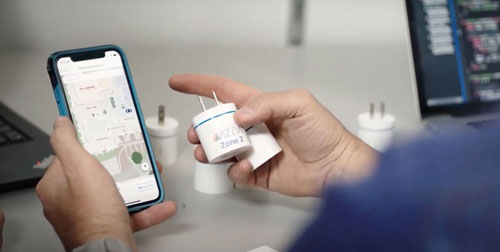
Real-Time Location Systems (RTLS) typically consist of three key components:
Tags/Transmitters:
These are small devices that are attached to or embedded within assets, people, or objects that need to be tracked. Tags can be active (powered with their own batteries) or passive (powered by an external source), and they emit a unique identifier or signal that allows the system to identify and track their location.
Infrastructure:
The infrastructure comprises a network of receivers or sensors strategically placed within the environment where tracking is required. These receivers pick up the signals emitted by the tags and transmit the data to a central server or software platform.
Software Platform:
The software platform processes the data received from the infrastructure, interprets it, and provides real-time visibility of the location and movement of the tracked items or individuals. The platform may include features such as mapping, analytics, reporting, and integration with other systems.
RTLS solutions are widely used in various industries, including healthcare, manufacturing, logistics, retail, and security. In healthcare, RTLS can be used to track medical equipment, monitor patient flow, improve asset utilization, enhance patient safety, and streamline operations.
Overall, RTLS provides organizations with the ability to gain real-time insights into the location and movement of critical assets or individuals, enabling better decision-making, improved efficiency, and enhanced safety and security.
What are the beneficial applications of Real-Time Location Systems (RTLS) for hospitals?
There are numerous Real-Time Location Systems (RTLS) applications in hospitals

Common Real-Time Location Systems (RTLS) applications in hospitals include:
Asset Tracking:
RTLS enables hospitals to track and locate medical equipment, devices, and supplies in real-time. This helps to reduce equipment search times, improve asset utilization, prevent loss or theft, and ensure that critical equipment is readily available when needed while saving money on replacement costs.
In terms of inventory management, RTLS asset management can help hospitals keep track of their inventory levels, ensuring that they always have the right supplies on hand.
Read a case study on how Vizzia helped Piedmont Healthcare save over $2 million with system-wide asset tracking and management.
Patient Flow Management:
RTLS can help hospitals manage patient flow by tracking patients as they move through different areas of the facility. This allows staff to monitor wait times, optimize room turnover, and identify bottlenecks in the patient journey, ultimately improving overall efficiency and patient satisfaction.
With improved efficiency, patients can receive faster, more personalized care, leading to a better overall experience.
Staff Tracking and Safety:
RTLS can be used to track the location of healthcare personnel, ensuring they are where they need to be during critical situations. It can also enhance staff safety by providing panic buttons or alerts in case of emergencies or incidents.
Infection Control:
RTLS can play a role in infection control by monitoring the movement of patients and staff in real-time. This enables hospitals to identify potential exposure risks, track interactions, and quickly respond to infection outbreaks.
Patient Wandering and Elopement Prevention:
For hospitals dealing with patients prone to wandering or at risk of elopement, RTLS can provide an added layer of security and safety. It allows staff to monitor and receive alerts if a patient moves outside of a designated area, enhancing patient safety and security.
RTLS can help hospitals track and monitor patients, ensuring that they are receiving the right treatment at the right time.
Temperature Monitoring:
RTLS can be used to monitor temperature-sensitive assets such as vaccines, blood products, or medication refrigerators. It ensures that the required temperature ranges are maintained, and alerts can be generated if there are any deviations, helping to prevent spoilage or compromise in patient care.
Workflow Optimization:
RTLS data can provide insights into workflow patterns, patient interactions, and resource utilization. Hospitals can analyze this data to identify areas for process improvement, streamline operations, optimize resource allocation, and reduce wasted time.
These are just a few examples of common RTLS applications in hospitals. The specific applications and benefits can vary depending on the needs and priorities of each healthcare facility.
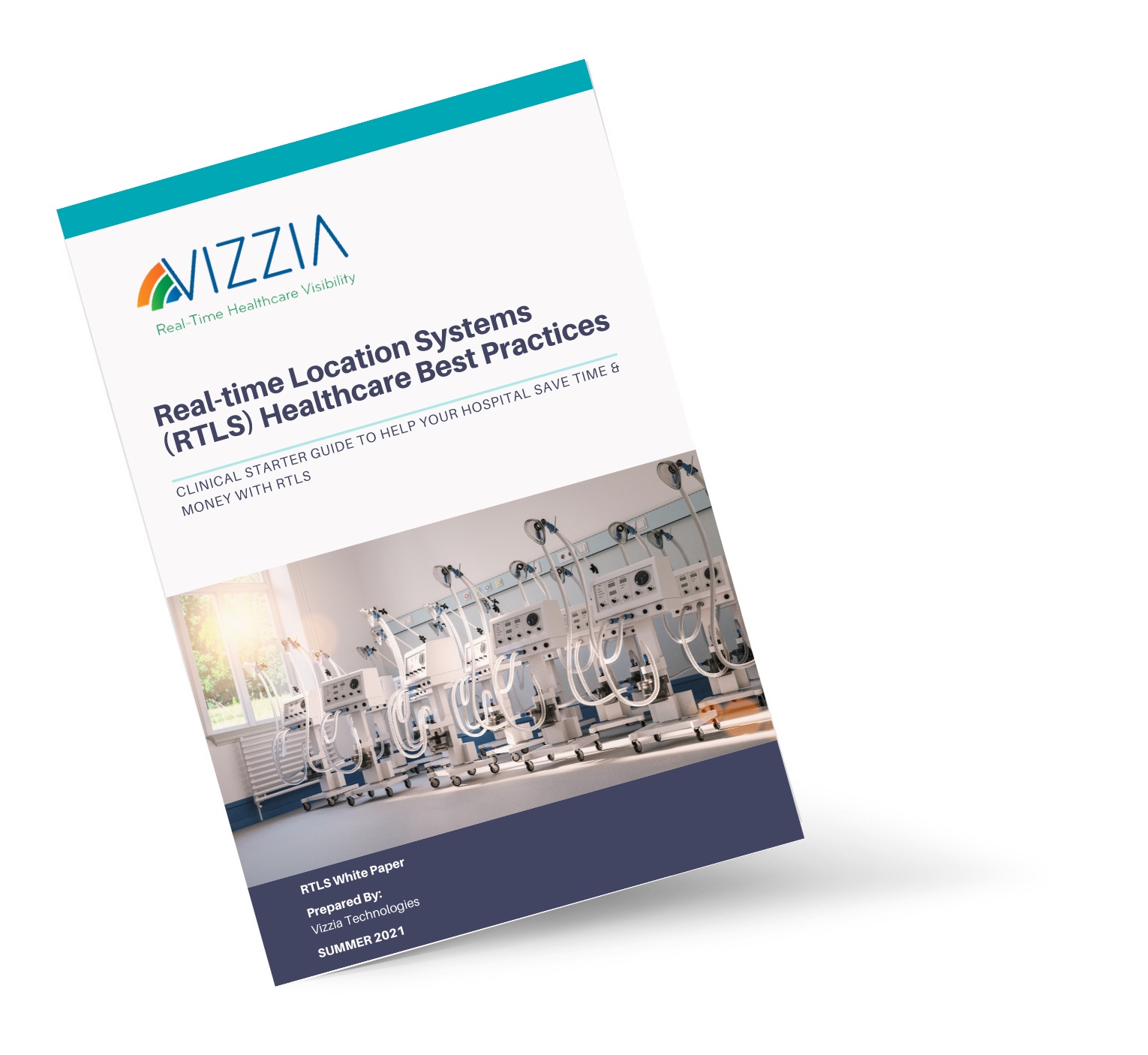
RTLS Healthcare Best Practices White Paper
Clinical Starter Guide To Help Your Hospital Save Time & Money With RTLS
Healthcare Technology Management (HTM) professionals are
constantly looking for ways to reduce costs, streamline processes and
improve patient care. Especially with the proliferation of expensive,
mobile medical equipment, which averages 10–15 devices per hospital
bed.
Clinical and RTLS experts have collaborated on lessons learned from
“Go-Live” deployments of Real–Time Location Systems (RTLS) at
nationally recognized healthcare systems.
This 15-page industry white paper will provide critical insights on:
- Discovery of the Main Pain Points in Your Hospital System
- Building the “A Team” Steering Committee & Stakeholder
- Selecting Equipment and Key Medical Devices for Tracking
- How to Measure Success with Key Performance Indicators

What do hospital staff need to know about onboarding a Real-Time Location Systems (RTLS) solution at their hospital?
Get your RTLS system setup effectively with these key steps
Determine the goals and objectives:
Before implementing an RTLS solution, it’s important to identify the specific goals and objectives that the hospital hopes to achieve. This could include improving patient safety, enhancing staff efficiency, reducing wait times, or enhancing the overall patient experience.
Identify the areas that need to be covered:
Hospitals need to identify the specific areas that need to be covered by the RTLS solution. This could include patient rooms, operating rooms, emergency departments, labs, and other critical areas.
Choose the right technology:
There are different types of RTLS technologies available, including RFID, Wi-Fi, and ultrasound. Hospitals need to choose the right technology based on their specific needs and budget.
Work with an experienced vendor:
Hospitals should work with an experienced vendor who can help them select the right solution, customize it to their needs, and provide ongoing support and maintenance.
Train staff:
It’s important to train staff on how to use the new system effectively. This includes training on how to locate patients, staff, and equipment, as well as how to troubleshoot any issues that may arise.
Ensure compliance with regulations:
Hospitals need to ensure that the RTLS solution complies with all relevant regulations, including patient privacy laws and infection control standards.
Monitor and evaluate performance:
After implementing the RTLS solution, hospitals need to monitor and evaluate its performance regularly. This includes tracking key metrics such as patient wait times, staff efficiency, and patient satisfaction to ensure that the solution is achieving the desired outcomes.

What staff members are critical to running Real-Time Location Systems (RTLS) for hospitals?
Real-Time Location Systems (RTLS) need a unified, dedicated team

Their responsibilities may include:
System implementation:
The RTLS Administrator works closely with the hospital’s IT department and RTLS vendors to ensure successful deployment and integration of the RTLS solution. They collaborate on infrastructure setup, network connectivity, hardware installation, and software configuration.
System configuration and maintenance:
The RTLS Administrator is responsible for configuring the RTLS system according to the hospital’s specific needs and requirements. This includes setting up location tags, defining zones and alerts, managing user access and permissions, and ensuring system accuracy and reliability. They also oversee routine maintenance tasks, such as firmware updates, troubleshooting, and resolving technical issues.
User training and support:
The RTLS Administrator conducts training sessions for hospital staff who will be using the RTLS system. They educate users on system functionalities, best practices, and workflows to ensure proper utilization of the technology.
Additionally, they provide ongoing support to address user inquiries, troubleshoot problems, and assist with system-related queries.
Data analysis and reporting:
The RTLS Administrator analyzes the data collected by the RTLS system and generates meaningful reports and insights. They collaborate with various departments within the hospital, such as operations, facilities, and patient services, to identify areas for improvement, optimize workflows, and enhance operational efficiency based on the data analysis.
Collaboration and coordination:
The RTLS Administrator serves as a liaison between the hospital’s various departments, IT personnel, and the RTLS vendor. They collaborate with stakeholders to understand their needs, gather feedback, and ensure effective communication and coordination throughout the RTLS system’s lifecycle.
System optimization and expansion:
As the hospital’s needs evolve, the RTLS Administrator plays a crucial role in optimizing and expanding the RTLS system. They assess the effectiveness of the current system, identify areas for improvement, and propose enhancements or expansions to meet changing requirements.
This may involve integrating additional functionalities, scaling the system to cover new areas, or integrating the RTLS solution with other hospital systems.
The RTLS Administrator or RTLS Coordinator is responsible for managing the day-to-day operations of the RTLS solution, ensuring its smooth functioning, and maximizing its benefits for the hospital. Their expertise and dedicated focus on the RTLS system contribute to its successful implementation and ongoing operation within the healthcare facility.
Why should a hospital system’s Executive C-Suite invest in RTLS solutions?
Enhanced patient safety:
As mentioned above, RTLS solutions enable real-time tracking and monitoring of patients, ensuring they receive the right care at the right time. This improves patient safety, reduces medical errors, and enhances the hospital’s reputation for quality care.
Operational efficiency:
RTLS optimizes workflows by providing real-time visibility into the location and status of equipment, staff, and patients. This streamlines processes, reduces wait times, and improves resource allocation, resulting in improved operational efficiency and cost savings.
Cost savings:
RTLS solutions offer significant cost-saving opportunities. Hospitals can reduce asset loss and theft, leading to lower replacement costs. By optimizing asset utilization and maintenance, hospitals can extend equipment lifespan, minimize downtime, and decrease repair expenses. Additionally, RTLS improves inventory management, reducing excess stock and minimizing carrying costs.
Revenue generation:
RTLS can improve patient throughput by optimizing bed utilization, reducing discharge times, and minimizing wait times. This increases capacity and allows hospitals to serve more patients, potentially leading to higher revenue generation.
Compliance and risk management:
RTLS helps hospitals meet compliance requirements and manage risks. By tracking access to sensitive areas, monitoring temperature and humidity levels, and ensuring adherence to safety protocols, hospitals can reduce the risk of security breaches, regulatory non-compliance, and associated financial penalties.
Data-driven decision-making:
RTLS generates valuable data on patient flow, asset utilization, and operational performance. C-Suite executives can leverage this data to make informed decisions, identify areas for improvement, and allocate resources effectively, leading to optimized outcomes and financial benefits.
Competitive advantage:
Implementing RTLS solutions can give hospitals a competitive edge in the healthcare industry. It demonstrates a commitment to patient safety, operational excellence, and technological innovation, attracting patients, physicians, and partners who value advanced healthcare practices.
Future-proofing:
As healthcare evolves, the demand for efficient, technology-driven solutions continues to grow. Investing in RTLS positions hospitals for the future, enabling them to adapt to changing industry trends and stay ahead of competitors.
By investing in RTLS solutions, the Hospital C-Suite can drive patient safety, operational efficiency, cost savings, revenue generation, compliance adherence, and competitive advantage.
These benefits contribute to improved patient outcomes, financial stability, and overall success in the healthcare landscape.

Contact Vizzia Today!
Call: 1-855-849-9421
Email: info@vizziatech.com


About Vizzia
Vizzia is a leading provider of fully managed Real-Time Location Systems (RTLS), helping hospitals reduce costs, streamline processes and improve patient care.
RTLS Solutions
Contact Us
Vizzia Technologies
Phone: 1-855-849-9421
Email: info@vizziatech.com